In Motion
Candace Cooley

A Lifetime of Care
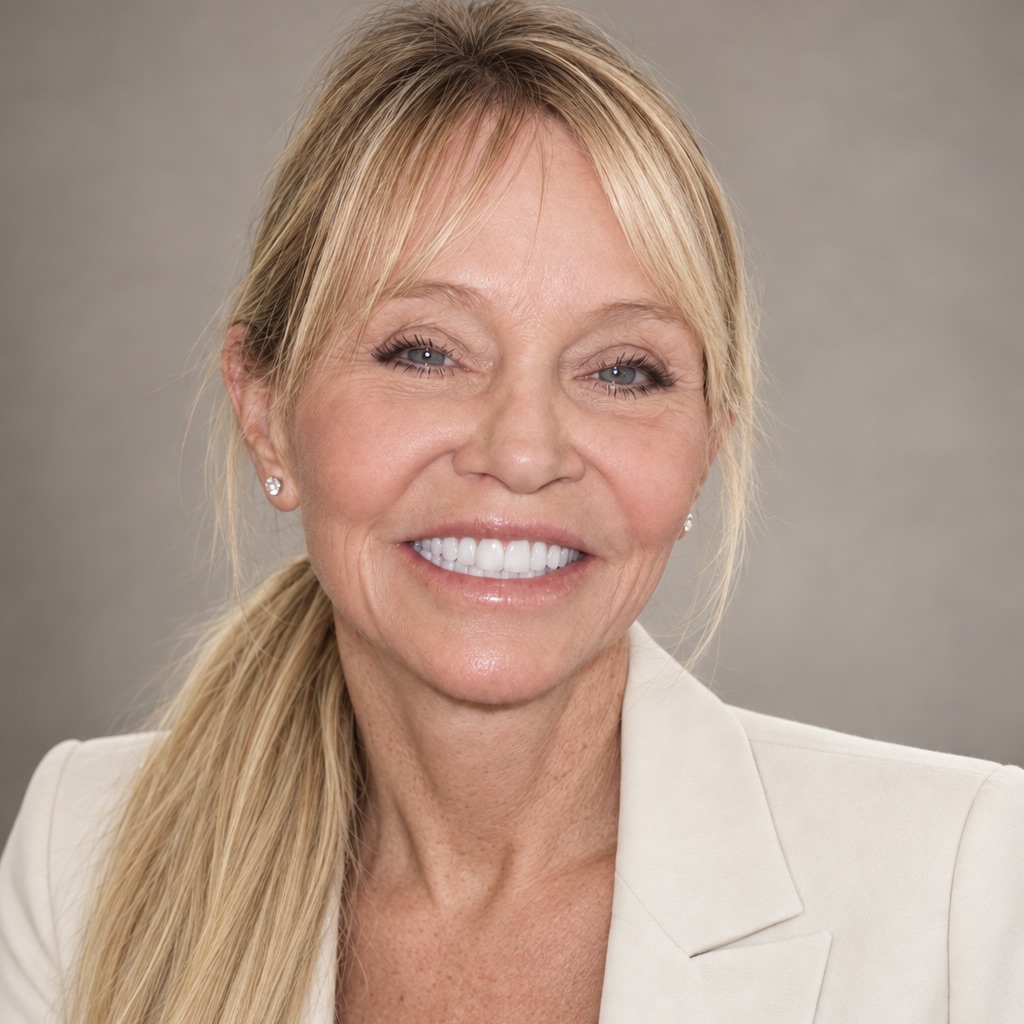
Obstetrician and gynecologist Candace Cooley has devoted more than 25 years to caring for women through every stage of life.
11.09.2026
Home: Colorado. Profession: Obstetrics and gynecology. Alma mater: Albany Medical College (M.D.).
Recent professional development: In my later years of practice, I focused increasingly on office-based gynecology, preventive care for women and minor surgical procedures. What’s been your big (or biggest leap)? Founding my own OB/GYN practice in Florida in 1999 and expanding it to offer obstetrics, gynecology, diagnostic imaging and surgical care. Hobbies: Skiing, biking and running.
Personal mission: Caring for women at every stage of life, both in the office and in the operating room.
What does your work in women's health cover?
Caring for women at different stages of life. Over more than 25 years, I have provided routine gynecological examinations, managed routine and high-risk pregnancies and delivered babies. I have treated menstrual disorders, menopausal symptoms, urinary incontinence and other urinary and pelvic health concerns. I have also performed gynecologic surgery, including minimally invasive procedures. That work has taken place in hospitals and in office practice, with both inpatient and outpatient care. My medical career has spanned three states—New York, Florida and Colorado—where I practice today.
What surgery and office procedures have you performed?
In the operating room, I have performed vaginal and abdominal hysterectomies, laparoscopic surgery, pelvic reconstruction, bladder suspension, hysteroscopy and cystoscopy, treating both inpatients and outpatients. In the office, I have performed colposcopy, loop electrosurgical excision procedures (LEEP) and endometrial ablation. Office procedures like these allow some conditions to be evaluated or treated without a hospital stay. When I ran my own practice, the office had dedicated procedure rooms alongside its imaging and laboratory services.
How has imaging been part of your work?
I have performed and interpreted diagnostic sonograms, including 3D and 4D ultrasound. During pregnancy, ultrasound helps monitor a baby's growth, position and well-being over time, while 3D and 4D imaging add depth and movement to those views. I have also performed bone density scans using DEXA, a low-dose X-ray that measures bone mineral density, an important consideration for women approaching and following menopause. Both kinds of imaging let a physician see what is happening inside the body without surgery.
What did running your own practice involve?
In 1999, I founded my own OB/GYN practice in Florida, which I owned and managed while continuing to see patients. Over time, the practice expanded to include pregnancy care, gynecology, imaging and surgery, with an on-site laboratory, 3D and 4D ultrasound and dedicated rooms for office procedures. My days combined patient care, surgery and the daily responsibilities of managing a growing practice. Owning the practice meant answering for both the medicine and the business behind it.
Where did you train, and where did your career begin?
I earned a Bachelor of Science in biology in 1990, began medical school one month later and received my M.D. in 1994. I completed a four-year residency in obstetrics and gynecology, beginning in New York and finishing in Florida in 1998. After residency, I joined a three-physician OB/GYN practice in New York, where I delivered babies, cared for high-risk pregnancies, performed gynecologic surgery and provided office treatments. From that first position onward, my work has moved between the hospital and the office.
What has your life included beyond seeing patients?
Research is one part of it. I contributed to published research on external cephalic version, a procedure used to turn a baby positioned bottom- or feet-first into a head-down position before delivery. The procedure is performed externally, with the physician's hands on the abdomen, and ‘cephalic’ refers to the head. The study examined the procedure's success rates and associated risks. Outside medicine, I enjoy skiing, biking and running.